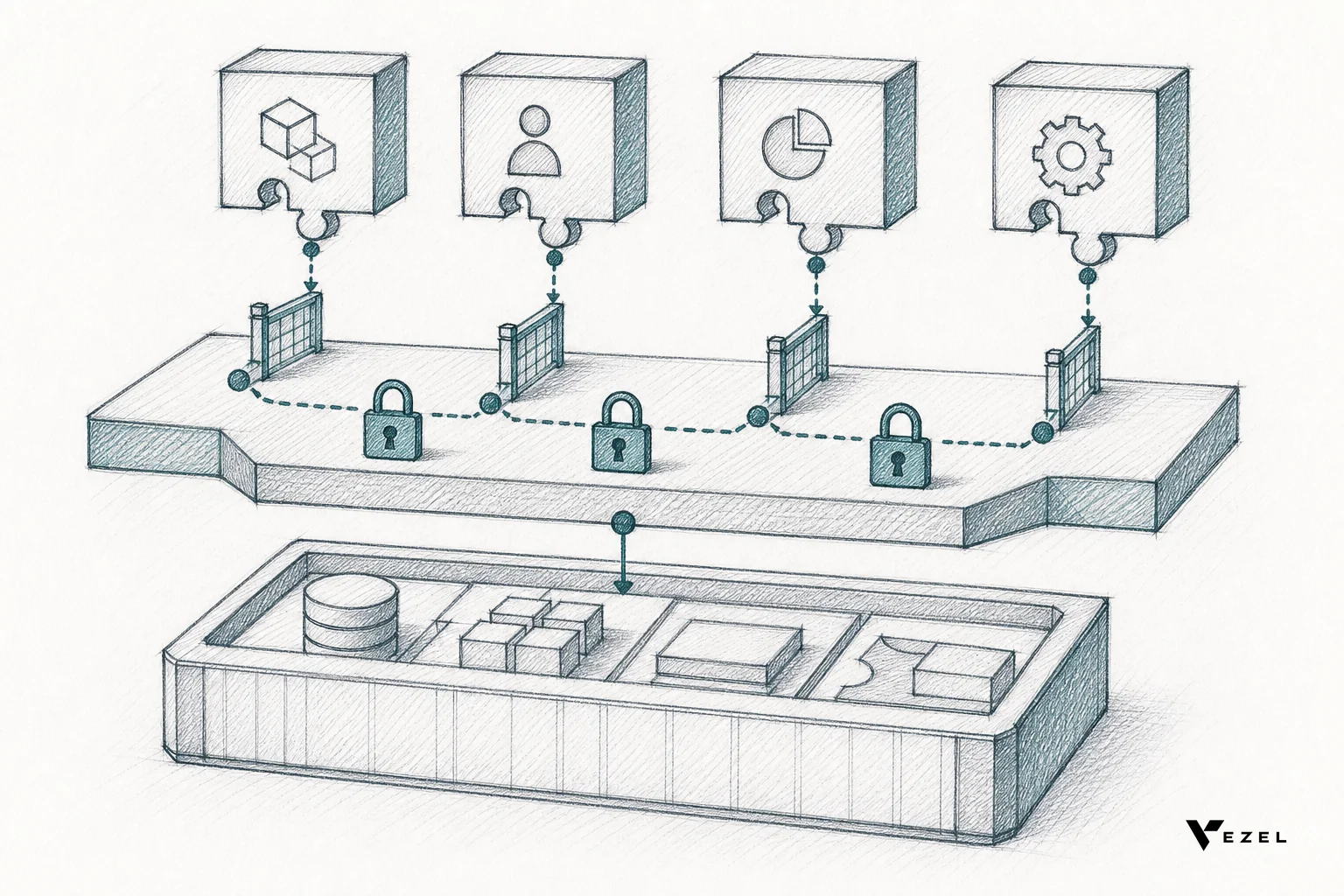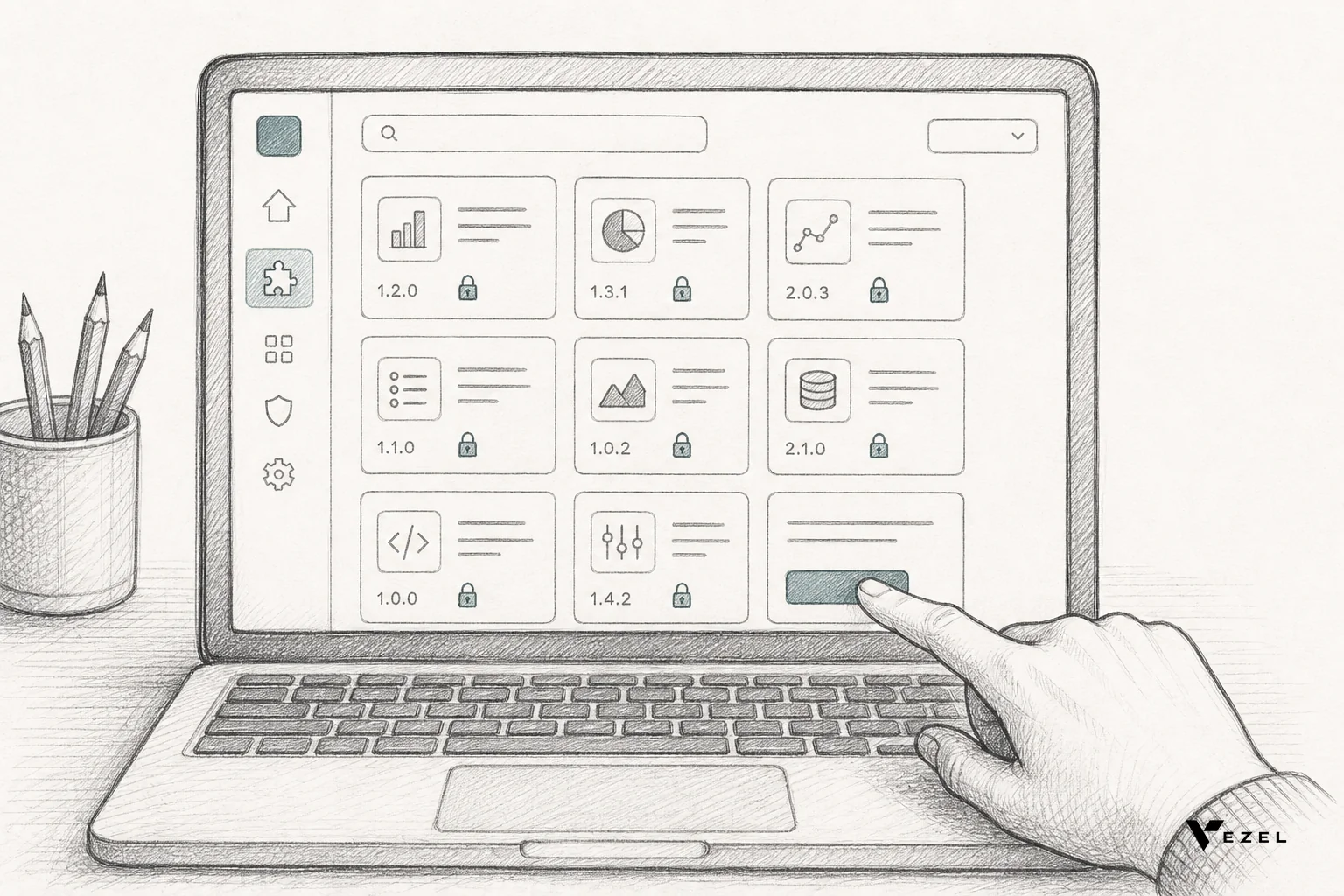



Building one custom approval workflow inside your existing product runs $15,000 to $60,000 and takes four to eight weeks, according to engineering cost benchmarks from Digital Heroes Co.
That is one workflow for one customer. The real cost of building custom workflow features in house appears later. It shows up in maintenance, stalled sales cycles, and every enterprise customer who wants a slightly different version of the same feature.
Key Takeaways
- A single approval workflow build: costs $15,000 to $60,000 and 4 to 8 weeks when built as a standalone feature inside an existing product, per Digital Heroes Co's benchmarks.
- Simple internal tools are cheaper but not free: a basic form or read-only dashboard still costs $8,000 to $15,000 and 1 to 3 weeks, per TechConcepts.
- A full workflow platform, not one feature, exceeds most budgets: Madgeek's build vs buy analysis puts a custom system at $200,000 to $400,000 plus $30,000 to $50,000 in annual maintenance. A comparable commercial platform costs $600,000 to $1.2M per year at 500 seats, via Madgeek's enterprise workflow guide.
- The invoice is never the whole cost: every workflow you build becomes a permanent maintenance line. Every hour spent on it is also an hour not spent on the core roadmap.
- Buy commodity, build your moat: Raftlabs' framework recommends buying non-differentiating workflows. Year-one costs run 60 to 80% lower, while custom builds remain reserved for what actually sets your product apart, per Raftlabs' decision framework.
Cost of Building Custom Workflow Features In House: At a Glance
| Build type | Cost | Timeline | Who it fits |
|---|---|---|---|
| Simple form or read-only view | $8,000–$15,000 | 1-3 weeks | Single request portal, one data source |
| Ops workflow tool (approval, checklist) | $12,000–$30,000 | 3-6 weeks | Internal tool, not customer-facing |
| Standalone approval workflow, customer-facing | $15,000–$60,000 | 4-8 weeks | One feature for one enterprise deal |
| Workflow as part of a first release | $50,000–$130,000 | 10-16 weeks | Product-wide launch, not a one-off |
| Full multi-tenant, versioned, audited platform | $150,000–$350,000+ | Several months | Regulated industries, many customers |
| Embedded extensibility platform (buy) | Contact for pricing | Days to weeks per customer | Ongoing, repeatable customer requests |
Figures sourced from TechConcepts and Digital Heroes Co.
What Engineering Leaders Actually Spend on One-Off Workflow Builds
Ask five engineering leaders what a custom workflow costs and you get five different numbers. That is because "custom workflow" covers everything from a static form to a multi-tenant approval engine with audit trails.
The floor is real, though. Even a simple internal form or read-only dashboard costs $8,000 to $15,000 and takes 1 to 3 weeks to build, according to TechConcepts' 2026 internal tool cost breakdown.
Move up to something an ops team actually depends on, such as an approval flow or incident tracker, and the range jumps to $12,000 to $30,000 over 3 to 6 weeks.
Now put that workflow in front of a customer instead of your own team. The bar rises again. A standalone customer-facing approval workflow, built inside an existing product, runs $15,000 to $60,000 and takes 4 to 8 weeks, per Digital Heroes Co's benchmarks cited above.
If it ships as part of a first release rather than as a bolted-on feature, the cost climbs to $50,000 to $130,000 over 10 to 16 weeks.
None of these numbers include what happens after launch. They cover the build. The bill for keeping the workflow alive starts the day it ships.
Why the First Invoice Isn't the Real Cost
The maintenance bill outlasts the build every time. A workflow editor built from scratch takes a senior React developer 14 to 25 weeks just to reach a baseline quality level.
That estimate comes before accessibility work, extended node types, or enterprise requirements, according to Workflow Builder's build cost analysis.
The editor does not stop needing attention once it ships. Every new node type and every permission edge case adds to a backlog that never gets smaller.
Every customer who wants "one small change" adds another request. Engineering teams that build custom workflow tools in house typically dedicate a standing fraction of capacity to upkeep, on top of new requests.
The build cost is the number you budget for. The maintenance cost is the number that shows up on every sprint planning call for the next three years.
Multi-tenant platforms make this worse, not better. A full versioned, audited system runs $150,000 to $350,000 to build.
It still needs ongoing tenant-level configuration work after launch, per Digital Heroes Co's cost tiers. Madgeek estimates $30,000 to $50,000 a year in maintenance for a $200,000-$400,000 custom system.
The lifetime cost can therefore quickly dwarf the initial invoice.
The Opportunity Cost: What Sales Teams Lose While Engineering Builds
Sales teams lose deals to timing, not to price, when a prospect needs a workflow that engineering has not scoped yet.
A 4 to 8 week build timeline for a single approval flow means an enterprise deal sits open for two months minimum. That is the fast case.

Every week that deal stays open is a week the sales team spends managing a stalled prospect instead of closing new ones.
It is also a week engineering spends on one customer's request instead of the roadmap that serves everyone. If your team has run into this exact wall, the breakdown in this guide to enterprise deals stuck on custom workflow requirements covers how to unstick it without a full sprint.
The pattern repeats at renewal, too. Customers who were promised a custom workflow and received a delayed one start pricing out alternatives before the contract comes up.
That risk rarely appears in a build estimate. It still belongs in the real cost column.
Build vs Buy: How the Numbers Compare
Buying does not always mean cheaper. It means the cost lands somewhere else, spread across every customer instead of concentrated in one deal.
Raftlabs' build vs buy framework puts commodity functions at 60 to 80% lower year-one cost when bought rather than built.
These are the functions most workflow requests actually require. The framework reserves custom development for the feature that is your actual competitive moat, per Raftlabs' 2026 framework.
Madgeek's analysis of enterprise workflow software found the opposite holds at scale. A commercial platform priced at $100 to $200 per user per month can cost $600,000 to $1.2 million a year for 500 seats.
That is well above a $200,000-$400,000 custom build with modest annual upkeep, according to Madgeek's build vs buy guide.
| Approach | Typical year-one cost | Who maintains it | Best fit |
|---|---|---|---|
| Build one-off workflow in house | $15,000–$60,000 per workflow | Your engineering team, indefinitely | A single, rare, highly specific request |
| Build a full custom platform | $200,000–$400,000+ | Your engineering team plus dedicated ops | Workflow logic is your core differentiator |
| License a general workflow platform | $600K–$1.2M+ at 500 seats | Vendor, with per-seat cost scaling | Standardized internal process, no need to embed |
| Embedded extensibility layer | Contact for pricing | Vendor infrastructure, customer builds inside your UI | Recurring, varied customer-specific requests |
The honest reading of both studies is that build vs buy is not a single answer. It depends on whether the workflow is one you will build once, or one you will be asked for fifty more times by fifty different customers.
This comparison of extensibility platforms versus custom development walks through that fifty-times scenario in more detail.
What Engineering Leaders Say to Look For Before Committing to a Build
Before an engineering leader signs off on any custom workflow build, three questions matter more than the price tag itself.
Who maintains this in two years? Does it replicate your existing permission model correctly? How many more customers will ask for a variant?
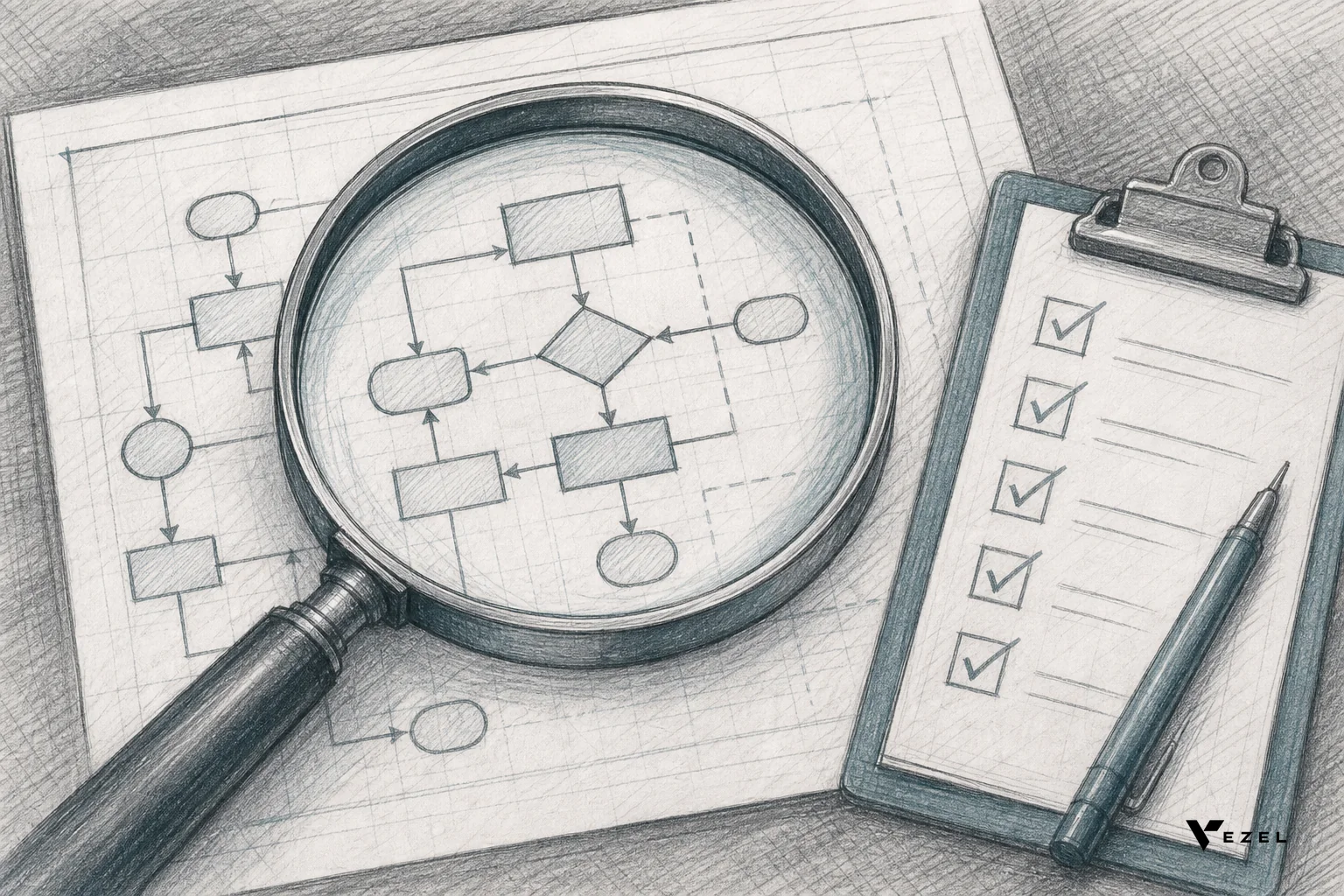
Permissions are the most commonly underestimated line item. Replicating row-level access and role-based controls outside your existing auth system is genuinely hard to get right.
Doing it badly is a security incident waiting to happen. This breakdown of why RBAC is so hard to replicate in custom-built tools is worth reading before you scope anything.
Red flags include a scope that keeps growing mid-build and a "temporary" workflow that becomes permanent when one customer depends on it.
Any estimate that does not include a maintenance line is another warning sign. If the vendor or internal team quoting the build cannot tell you the annual upkeep cost, that number is not zero. It is just missing.
When In-House Actually Makes Sense
Building in house is the right call when the workflow logic is your actual competitive moat. It is different from a customization that happens to be requested often.
If your product's entire value proposition is a proprietary approval sequence nobody else offers, that is core IP worth owning end to end.
It also makes sense for a truly one-time, narrow request from a single customer where the relationship, not the workflow itself, is what matters.
Spending $15,000 once to save a renewal can be the right trade. Spending it fifty times, once per enterprise customer, is a different decision entirely.
That repeated-request scenario is the one most engineering teams actually face.
How to Decide: A Quick Checklist
- 📋 Is this workflow request likely to repeat across more than three customers within a year?
- 📋 Does the build estimate include an annual maintenance cost, not just the initial build?
- 📋 Will this workflow need to inherit your existing authentication and row-level permissions?
- 📋 Is engineering time better spent on this build or on the core roadmap this quarter?
- 📋 Would a sales cycle close faster if this workflow could be demoed live instead of promised for a future release?
If most of your answers point toward "this will happen again," a one-off build is the expensive path.
Platforms like Vezel let customers build their own workflows, dashboards, and reports directly inside your product using plain English. They inherit your existing permissions instead of requiring a new build every time a request comes in.
You can see the mechanics in how it works, or explore related approaches in this guide to building approval workflows without coding.
Whichever way you decide, run the numbers on more than the first invoice. The build estimate tells you what one workflow costs.
The maintenance line, the opportunity cost on your roadmap, and the next fifty requests tell you what custom workflow development actually costs your team.
If you want to see what an embedded alternative looks like against your own roadmap, book a demo and bring your next stalled enterprise request with you.