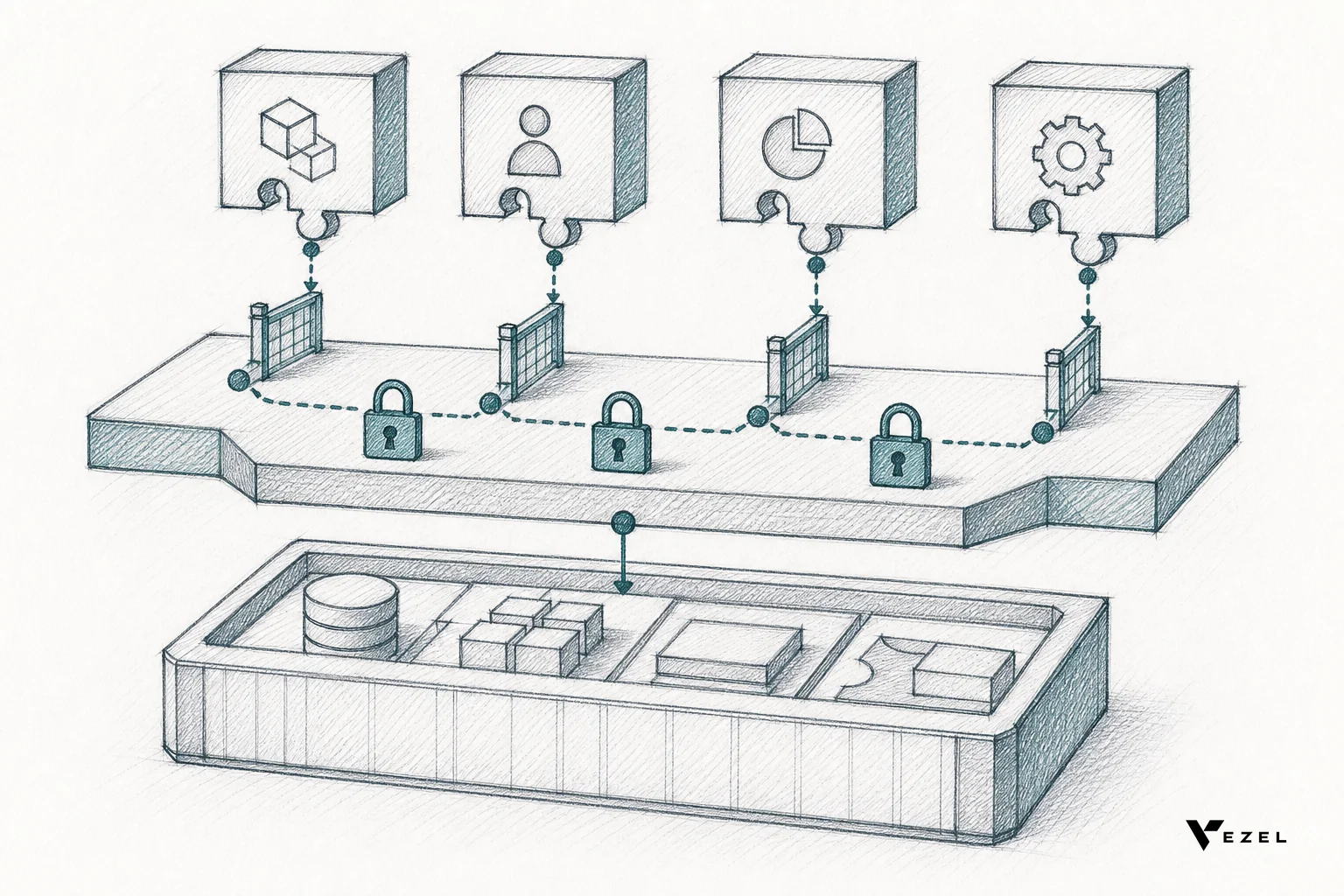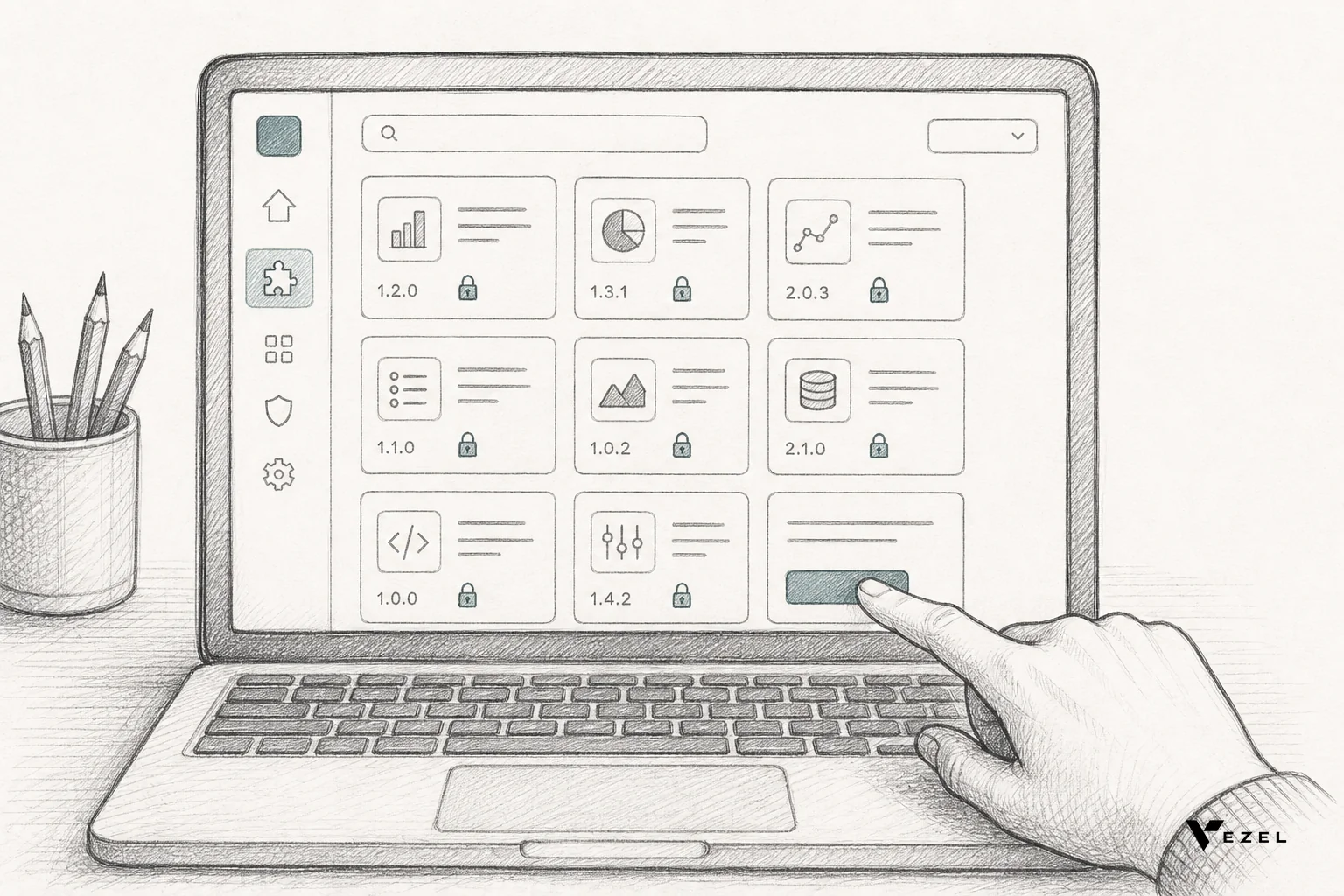



Your SaaS company is losing engineering time to one-off requests when the sprint backlog is named after customers instead of features, sales demos capabilities that don't exist, and nobody can say what percentage of capacity goes to bespoke work. Most B2B SaaS teams lose around 40% of engineering capacity to exactly this pattern.
Key Takeaways
- The 40% benchmark: Mid-market SaaS teams commonly spend up to 42% of engineering capacity on non-scalable, single-customer feature work.
- Most requests never ship anyway: The average B2B SaaS company still rejects 70-80% of enterprise feature requests, so the time spent evaluating and half-building them is often pure waste.
- NRR takes the hit: Companies with an engineering backlog over 12 months old see Net Revenue Retention 15-20 points below top-quartile performers, often in the low 90s.
- Firefighting eats the week: Engineers can lose around 17 hours a week to maintenance and unplanned fixes instead of new feature work.
- The fix isn't saying yes faster: It's giving customers a way to build their own dashboards, workflows and reports without opening an engineering ticket at all.
At a Glance: The 7 Signs and What They Cost You
| Sign | What It Actually Costs |
|---|---|
| Backlog tagged by customer name | Roadmap bloat, no shared product improvement |
| Sales promises unbuilt features | Stalled deals, broken renewal trust |
| No visibility into custom-work % | Can't prioritize or say no with data |
| Same feature rebuilt per account | Multiplying maintenance burden |
| Customers exporting to spreadsheets | Shadow IT and data governance risk |
| NRR slipping as backlog ages | 15-20 point NRR gap vs. top quartile |
| Engineers firefighting, not shipping | ~17 hours/week lost to maintenance |
1. Your Sprint Backlog Is Mostly One Customer's Name
Open your current sprint board. If half the tickets are labeled "Acme Corp dashboard tweak" or "Meridian approval flow v2" instead of a shared feature name, your roadmap has quietly become a services queue.
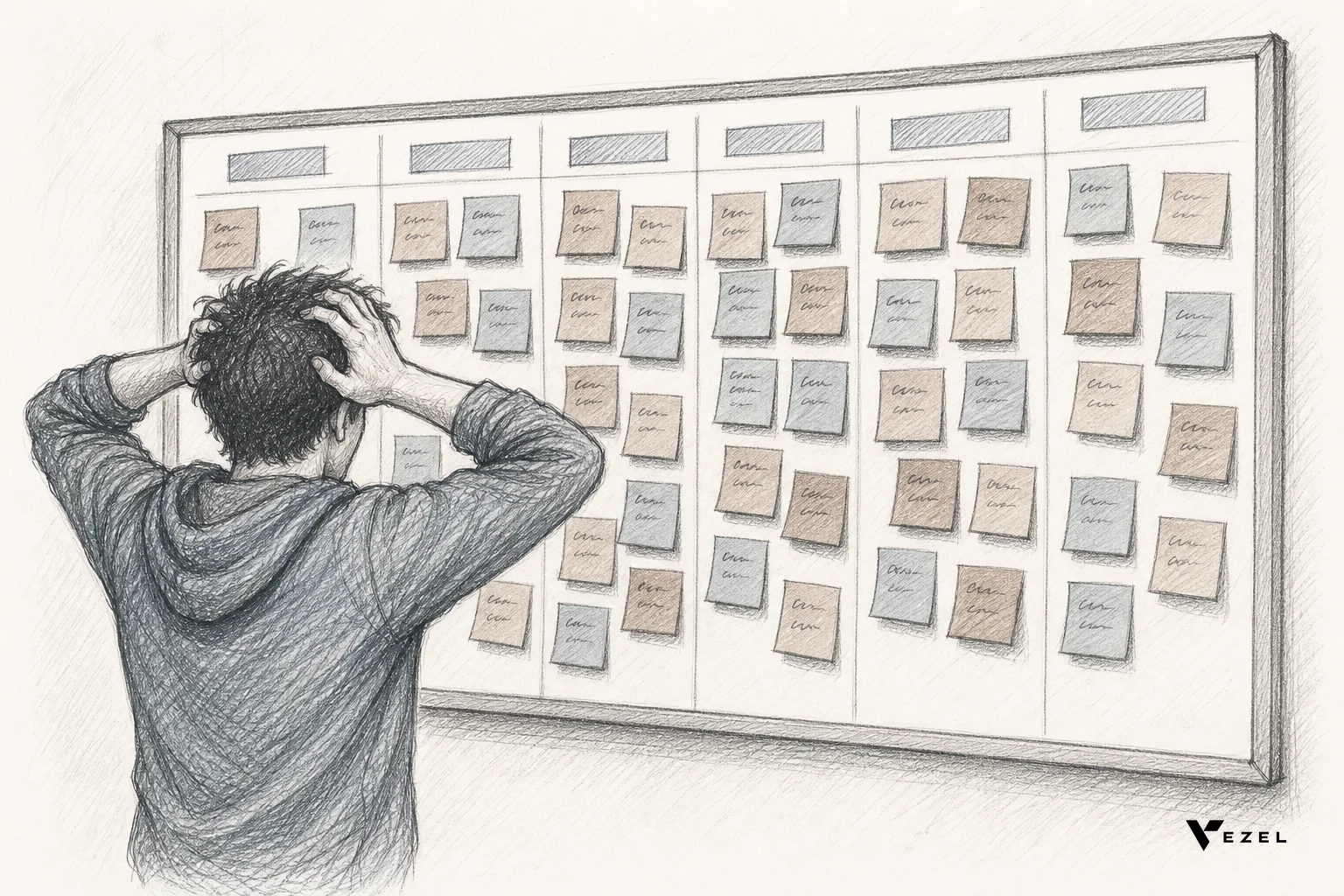
This isn't a productivity problem. It's a classification problem. Every ticket named after an account is capacity the shared product will never benefit from again. Track it for one sprint and you'll likely find you're near the 40% "whale tax" that most B2B SaaS companies quietly absorb for their largest accounts.
For a deeper breakdown of how this backlog pressure builds specifically from enterprise accounts, see how to reduce SaaS engineering backlog from enterprise requests.
2. Sales Is Promising Features That Don't Exist Yet
Somewhere in the deal cycle, an AE tells a prospect "we can build that" to close the quarter. Engineering finds out three weeks later, after the contract is signed and the delivery date is already on the customer's calendar.
This is one of the clearest tells of one-off request drag. Sales isn't wrong to sell outcomes. The problem is a product with no way to deliver a customer-specific capability without a full engineering cycle behind it. If your team is regularly building demo-ware to close deals, look at how faster demo workflows change that dynamic in how to shorten your enterprise SaaS sales cycle.
3. You Can't Say What Percentage of Engineering Time Goes to Custom Work
How do you know if custom requests are actually costing you roadmap time?
You know by tagging every backlog item as "shared product" or "customer-specific" for one full quarter and totaling the hours. If nobody has ever run that report, that absence of visibility is itself a warning sign, not a neutral fact.
Most leadership teams guess low. The actual number tends to land close to the 40% figure reported across B2B SaaS companies of similar size. Without that measurement, you can't push back on a sales request, budget for platform work, or explain to your board why velocity on the core roadmap has slowed.
4. The Same Feature Gets Rebuilt Slightly Differently for Every Enterprise Account
Three customers ask for "a compliance dashboard." Engineering builds three separate dashboards, each hardcoded to one account's data model, naming conventions, and permission rules. None of the three can be reused by the next customer who asks for the same thing.
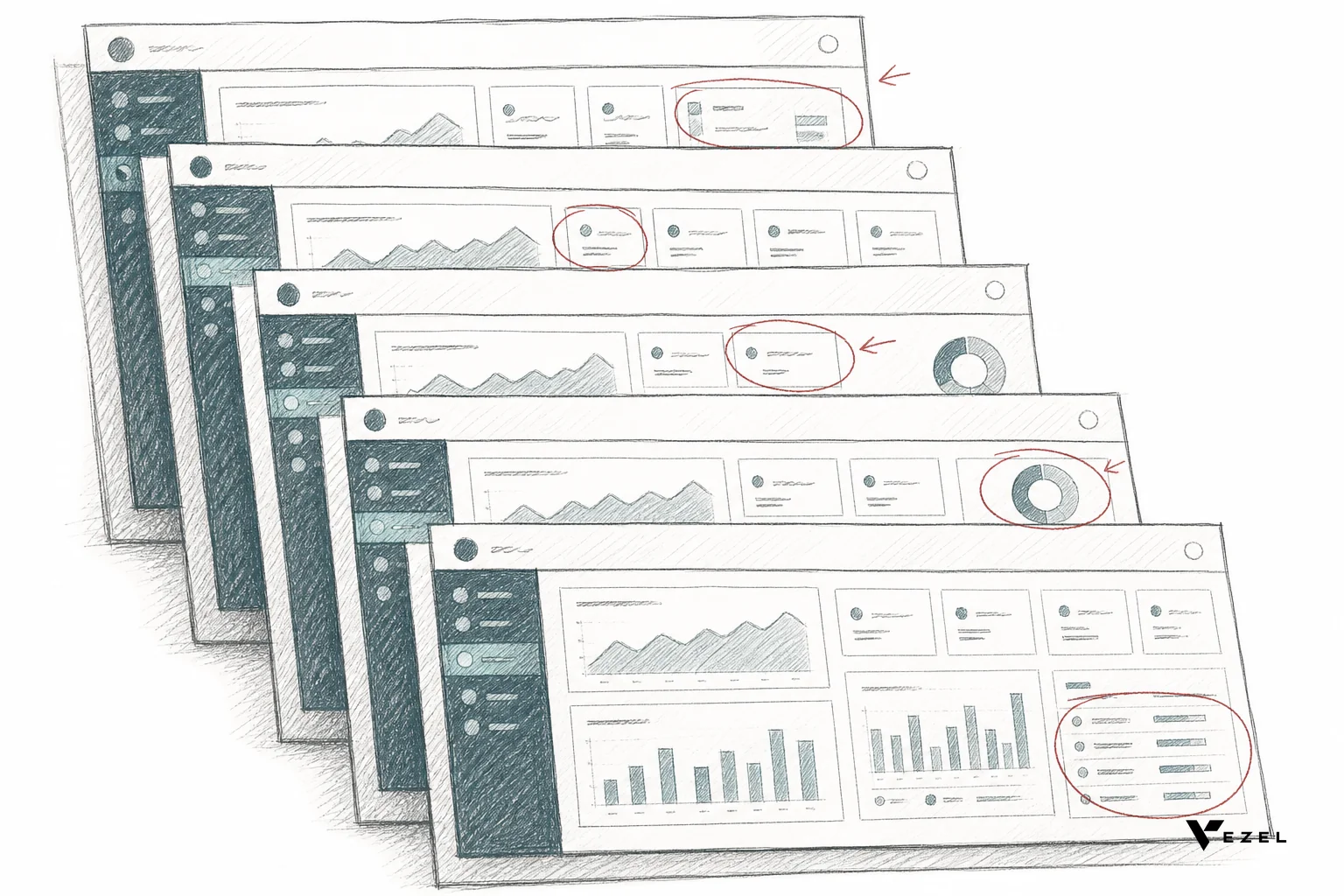
This is where maintenance debt compounds fastest. Every near-duplicate build is a separate thing that can break, separately, forever. Tools built for internal engineering use, like Retool, are designed for exactly this kind of one-off internal app, which is useful for a single admin panel but doesn't scale once dozens of these builds are customer-facing and need to inherit your product's own permissions model.
An embedded extensibility layer solves this differently: the customer builds their own version inside your product, using your live data model, instead of engineering rebuilding the same dashboard shape from scratch each time. See how to build custom dashboards inside your SaaS for the pattern.
5. Customers Are Exporting Data Into Spreadsheets Instead of Waiting
When a customer can't get the report or workflow they need inside your product, they don't stop needing it. They build it themselves, in a spreadsheet, a Zapier chain, or an unapproved tool nobody on your side ever vetted.
That's not customer initiative. It's a symptom. Every spreadsheet workaround is a signed confession that your product has a gap engineering hasn't closed, and it comes with real data governance exposure once sensitive account data leaves your platform's access controls. Read how to prevent shadow IT in your SaaS platform for how to close that gap without adding to the backlog.
6. Net Revenue Retention Is Slipping While Your Backlog Grows
Net Revenue Retention slips when the backlog ages because customers stop believing the roadmap will ever reach their specific need, and they start pricing alternatives before renewal. Companies with backlogs over 12 months old see NRR run well below top performers.
Specifically, that gap runs 15 to 20 percentage points below top-quartile companies, often dipping into the low 90s or below 90% entirely. If your CS team is fielding more "when will this ship" questions at renewal time than they used to, this is why. The connection between missing workflows and churn risk is explored further in is missing workflows causing your SaaS churn?
7. Your Best Engineers Spend More Time Firefighting Than Shipping
Ask your strongest engineer how their week actually went. If the honest answer is "mostly patching something a customer's custom setup broke," you've lost your highest-leverage people to maintenance instead of building.
Research on developer time allocation, including work referencing Stripe's internal data, puts the number at close to 17 hours a week, close to a third of total working time, lost to maintenance and unplanned fixes rather than new feature work. Every bespoke integration and one-off dashboard is another thing that can quietly break at 2am.
What To Do Once You Recognize These Signs
Recognizing these signs is easy. Fixing them by saying "no" more often just shifts the pain to sales and CS, who now have to explain the no to a paying customer. The better fix is removing engineering from the loop entirely for the requests that don't need custom code.
That's what an embedded extension layer does: it lets your customers build their own dashboards, workflows, reports and AI agents inside your product using plain English, connected to your real data and inheriting your existing permissions. No ticket, no sprint, no rebuild for the next customer who asks for something similar. You can see the mechanics in Vezel's adaptive SaaS platform guide.
If any of these seven signs sounded familiar, the fastest way to check your exposure is to actually measure it: tag one sprint of backlog by customer versus shared feature, and see where the hours went. Then book a demo to see how Vezel takes those customer-specific requests off your engineering roadmap entirely, or see how it works before you commit engineering time to another one-off build.