

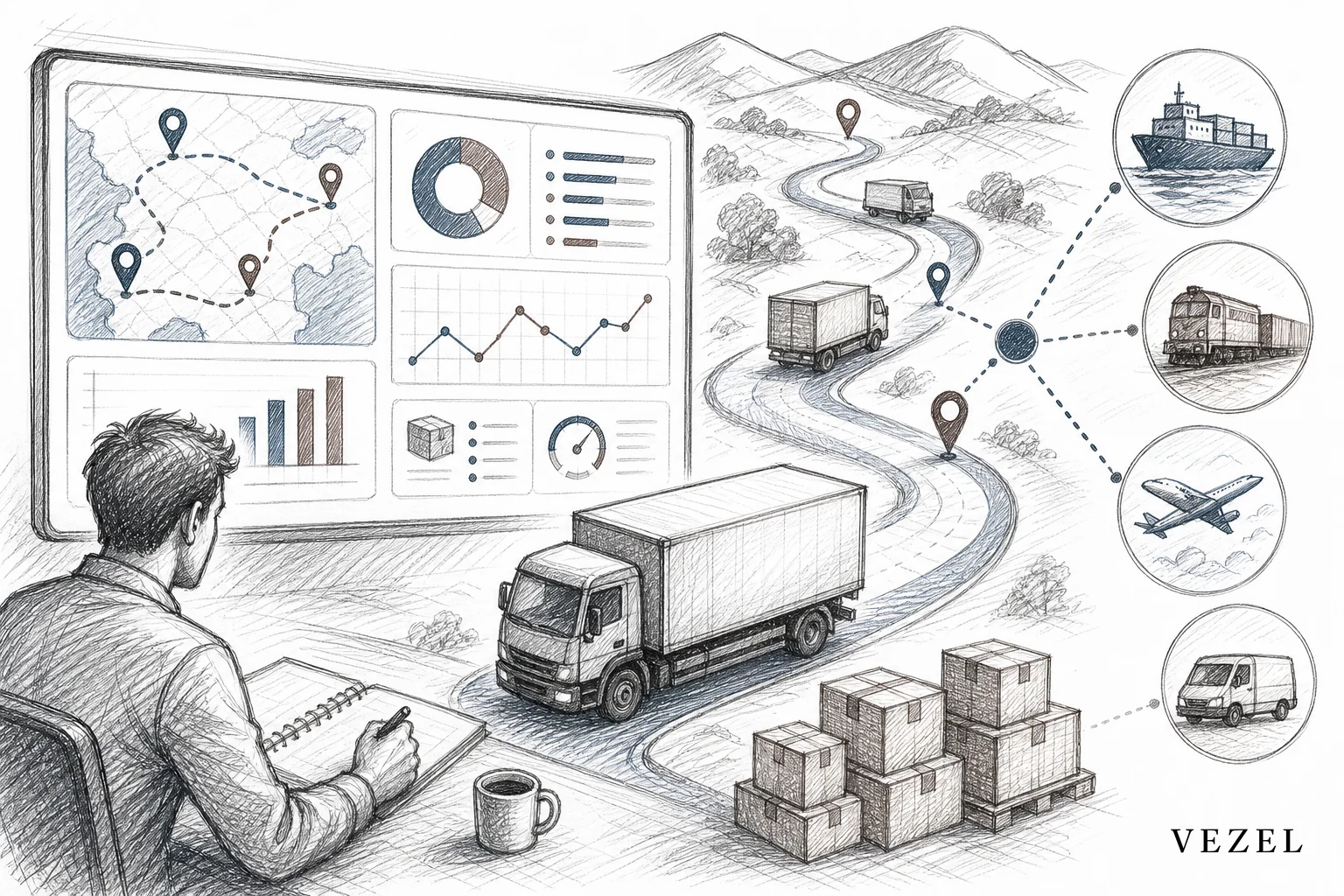
Custom reporting for logistics SaaS platforms means letting each customer build their own carrier scorecards, SLA compliance views, and exception reports in plain English, directly inside the platform they already use, without opening an engineering ticket. The report connects to live shipment and carrier data and inherits the platform's existing permissions, so a regional manager sees only their lanes while a VP of Ops sees the network-wide view.
Key Takeaways
- The core problem is variance, not volume: Every logistics customer defines "on time" and "carrier performance" differently, so a fixed reporting module can never satisfy every account.
- Engineering tickets don't scale: One-off report requests from enterprise logistics accounts can consume a large share of a product team's sprint capacity over time.
- AI extensibility replaces the backlog: Plain-English report generation, tied to API auto-discovery, lets customers describe the metric they want and get a live report without waiting on a release cycle.
- Security has to travel with the report: Row-level permissions, carrier-level access, and client confidentiality rules must carry over automatically or the report becomes a liability.
- White-labeling keeps trust intact: Reports need to look and feel like they were built by the logistics vendor, not bolted on from a third-party BI tool.
At a Glance: Custom Reporting Options for Logistics SaaS
| Approach | Time to Deliver | Engineering Load | Inherits Permissions? | Feels Native? |
|---|---|---|---|---|
| Custom engineering build | Weeks to months | High | Yes, if rebuilt manually | Yes |
| Spreadsheet exports | Days | Low | No | No |
| External BI tool (Looker, Power BI) | Days to weeks | Medium | No, separate login | No |
| Internal tool builder (Retool-style) | Days to weeks | Medium-high | Rebuilt per tool | No |
| Embedded AI extensibility (e.g. Vezel) | Minutes to hours | Low | Yes, automatic | Yes |
Why Every Logistics Customer Reports Differently
Two freight brokerages can run on the exact same transportation management software and still need two completely different reports. One measures carrier performance by on-time pickup rate. The other cares more about claims ratio per lane. A 3PL serving retail clients tracks delivery SLA by store location. A 3PL serving manufacturers tracks it by production line dependency.
None of these customers are wrong. They're just running different businesses on top of the same shared platform. This is the Adaptation Gap playing out in a very specific, very visible way: reporting. Shipment data, carrier data, and SLA definitions are the same underlying inputs, but every customer wants to slice them differently.
Add in the operational reality of logistics: dozens of carriers, varying accessorial charges, detention windows, dock scheduling constraints, and regional compliance rules. A generic "reports" tab with a handful of pre-built templates was never going to cover this. It's not a design failure. It's the natural result of building software for thousands of logistics operations at once.
The Old Playbook: Tickets, Spreadsheets, and Shadow BI
Most logistics SaaS vendors have lived through the same cycle. A customer asks for a carrier scorecard broken down a specific way. Support logs it as a feature request. Product triages it against everything else in the backlog. Engineering estimates the work. Weeks or months later, the customer either gets a narrow version of what they asked for or gives up and builds it themselves.
That workaround usually means exporting shipment data into a spreadsheet, or standing up an external BI tool that requires a separate login and constant manual refreshes. Some customers go further and wire together internal tools that live entirely outside the platform. That's shadow IT in practice, and it means the vendor loses visibility into how customers actually use their own data.
None of this is unique to logistics, but the stakes are higher here. Carrier performance and SLA compliance data often feeds directly into contract renewals, chargebacks, and client-facing commitments. A stale spreadsheet isn't just inconvenient, it's a business risk.
What Changed: Plain-English Reporting on Live Data
Embedded AI extensibility flips the reporting model. Instead of asking engineering to build a report, a customer describes what they need in plain English: "show me on-time delivery percentage by carrier for the last quarter, broken down by client." The system maps that request against the platform's existing shipment, carrier, and SLA data through API auto-discovery, and generates a live report inside the product.

This isn't a chatbot that answers a question once and disappears. The report persists. It refreshes as new shipment data comes in. It can be pinned to a dashboard, shared with a specific team, or set up to alert someone when SLA compliance drops below a threshold. That distinction between a one-time AI answer and a persistent capability is exactly what separates simple AI chat features from real custom dashboards inside your SaaS.
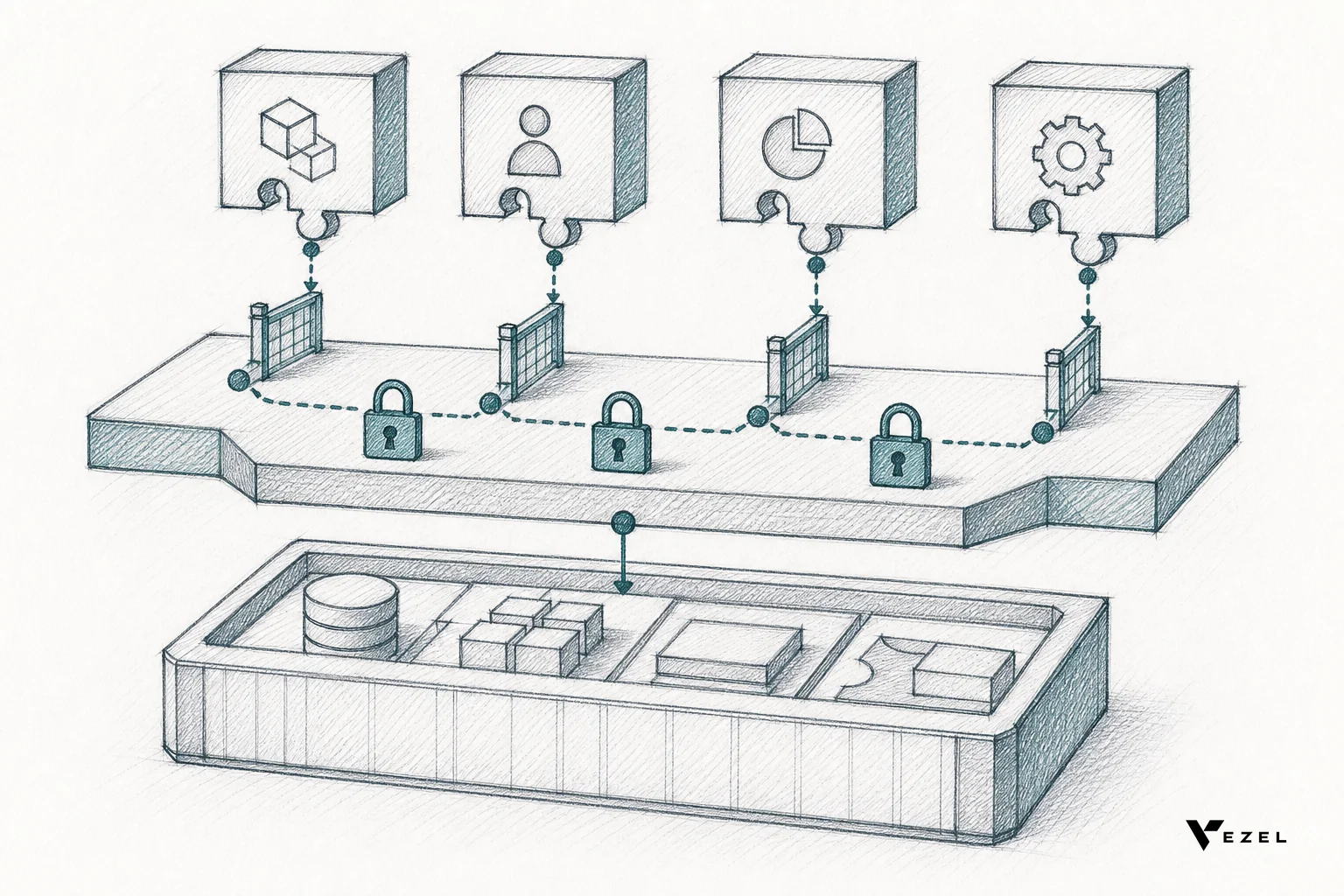
Because the report is generated inside the host platform, it inherits the platform's authentication and role-based access controls automatically. A dispatcher only sees the lanes they manage. A client-facing account manager only sees their own client's SLA data. Nobody has to manually replicate row-level permissions in a second tool, which is one of the hardest parts of building reports outside the core product.
The report also inherits the platform's design system, so it looks like a native feature rather than an embedded widget from a third-party vendor. For logistics platforms competing on trust and reliability, that white-labeled consistency matters as much as the data itself.
Logistics Reporting Workflows This Solves
- Carrier performance scorecards: On-time pickup and delivery rates, damage claims, and cost per mile, broken down however the customer defines "performance."
- Delivery SLA compliance: Live tracking against contractual SLA windows, segmented by lane, client, or region, with automatic flags when a shipment is trending late.
- Detention and demurrage tracking: Reports pulling accessorial charges tied to specific carriers or facilities, something most generic TMS dashboards don't break down deeply enough.
- Exception and claims reporting: A live view of damaged, delayed, or disputed shipments, filtered by root cause, so ops teams can spot patterns without exporting anything.
Comparing Approaches: Engineering Backlog vs Embedded Extensibility
The table below breaks down what's really different between the old ticket-driven model and an embedded, self-serve reporting layer.

| Factor | Engineering Ticket Model | Embedded AI Extensibility |
|---|---|---|
| Who builds the report | Engineering team | Customer, in plain English |
| Turnaround | Weeks to months | Minutes to hours |
| Roadmap impact | Competes with core product work | Minimal, handled outside sprint planning |
| Security replication | Manual, error-prone | Automatic, inherited |
| Maintenance over time | Ongoing engineering burden | Owned by the customer, governed centrally |
| Risk of shadow IT | High | Low, since customers stay inside the platform |
This is the same shift already playing out across other verticals; see how CRM SaaS platforms are offering custom reporting for a comparable pattern in sales pipeline data, or how supply chain SaaS platforms handle custom reporting for the broader planning and inventory angle adjacent to logistics.
How to Roll This Out Inside Your Logistics Platform
Getting started doesn't require a rebuild of your reporting stack. The rollout generally follows a straightforward path:
- Connect existing APIs. API auto-discovery maps your existing shipment, carrier, and SLA data models, so there's no need to build new endpoints just for reporting.
- Let customers describe what they need. Enterprise accounts start generating carrier scorecards and SLA reports directly, in plain English, without filing a request.
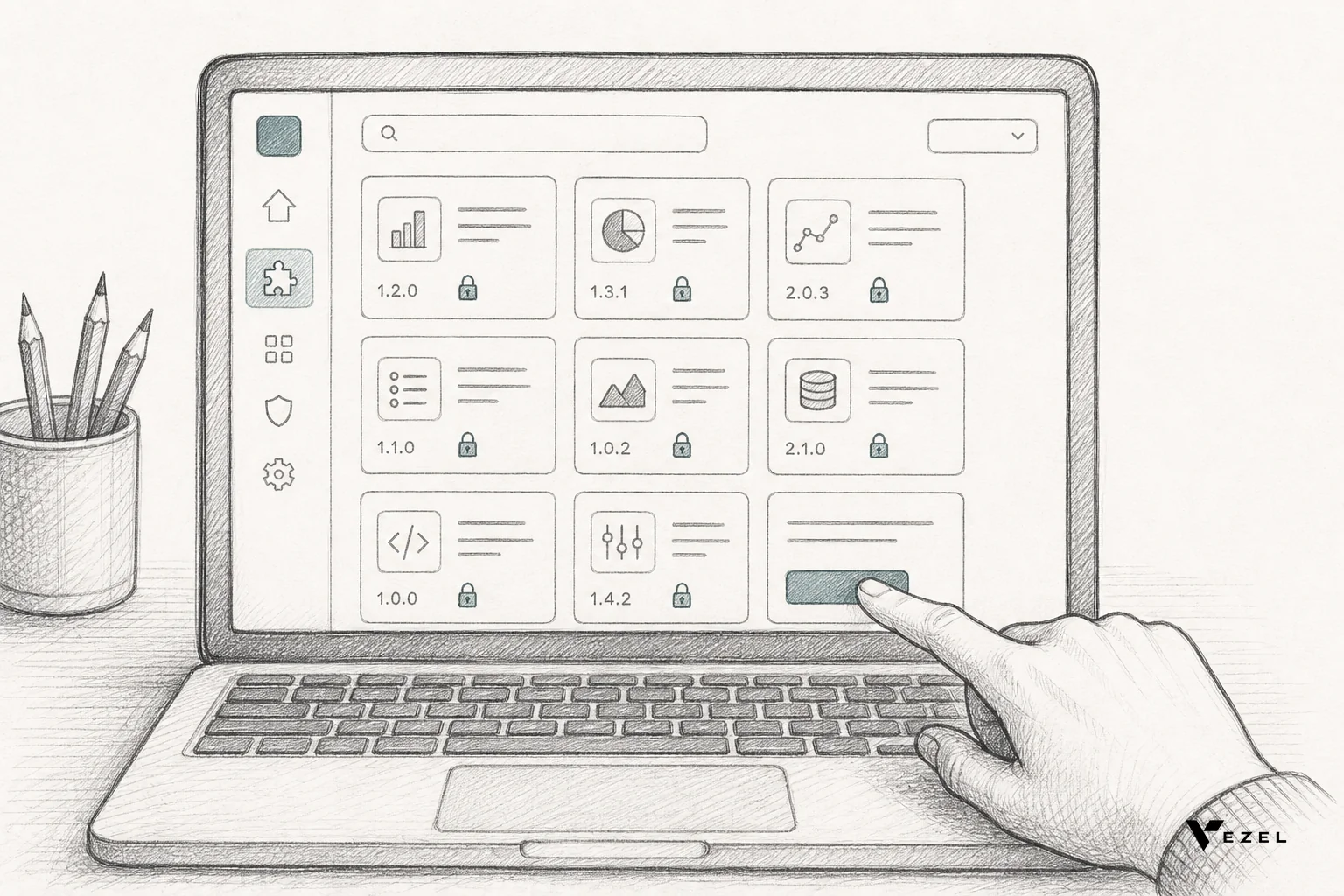
- Publish through a governed marketplace. New reports go through version control and review before wider release, so quality stays consistent across accounts.
- Start with your highest-friction enterprise accounts. These are usually the customers already threatening to churn or stalling deals over missing reporting, so the impact is immediate.
If you're also fielding requests for approval flows or onboarding checklists alongside reporting asks, it's worth pairing this rollout with a broader look at embedding a workflow builder in your SaaS, since carrier onboarding and exception escalation often need both a report and a workflow to fully close the gap.
Logistics vs Adjacent Verticals
Logistics reporting is distinct from adjacent verticals in a specific way: it's built around movement. Carriers, lanes, delivery windows, and detention time are all tied to physical transit, not just inventory levels or procurement cycles. Supply chain SaaS platforms, by contrast, often need reporting focused on demand planning, supplier scorecards, and inventory turns, a related but separate set of workflows covered in the piece on supply chain SaaS custom reporting. If your platform sits at the intersection, an embedded extensibility layer can support both sets of workflows without forcing you to choose which vertical to prioritize on the roadmap.
FAQ
What is custom reporting for logistics SaaS platforms?
It's the ability for each logistics customer, whether a broker, carrier, or 3PL, to build their own reports on carrier performance, SLA compliance, and shipment exceptions using their own definitions, without waiting on engineering to ship a new report template.
Does this require engineering work for every new report?
No. Once the platform's APIs are connected through auto-discovery, customers generate reports themselves in plain English. Engineering only maintains the underlying data connections, not each individual report.
How does security work with customer-generated reports?
Reports inherit the host platform's existing authentication, role-based access, and row-level permissions automatically. A customer never sees data outside their existing access scope, and vendors don't need to rebuild permission logic in a separate tool.
If your logistics platform is still routing every carrier scorecard and SLA report request through an engineering ticket, that backlog isn't going away on its own. Book a demo to see how Vezel lets your customers build live, white-labeled reports in plain English, or see how it works with your own shipment and carrier data. If you want to talk through your specific reporting backlog first, talk to an expert about what a rollout would look like for your platform.