


A regional manager at a facilities maintenance company wants one report before renewal: SLA compliance broken down by contract and by technician. Her field ops SaaS vendor doesn't have it. The fix, historically, is an engineering ticket and a multi-week wait. Custom reporting for field ops SaaS platforms doesn't have to work that way anymore. Plain-English report generation, connected to live job and crew data, can turn that multi-week wait into a same-day build the customer does themselves.
Key Takeaways
- Crew and job-level reporting dominates requests: Utilization by region, cycle time by technician, and SLA compliance by contract are the most common asks from field ops enterprise accounts.
- The ticket cycle is slow, not broken: A single custom report can take three to eight weeks from ticket filing to delivery, based on patterns common across mid-market field service platforms.
- Auto-discovery removes the integration step: Mapping job, crew, and asset APIs automatically means no engineer has to hand-wire a new report to the data model.
- Inherited permissions keep it safe: A report a customer builds themselves still respects their existing role and row-level access, so a regional manager never sees another region's contracts.
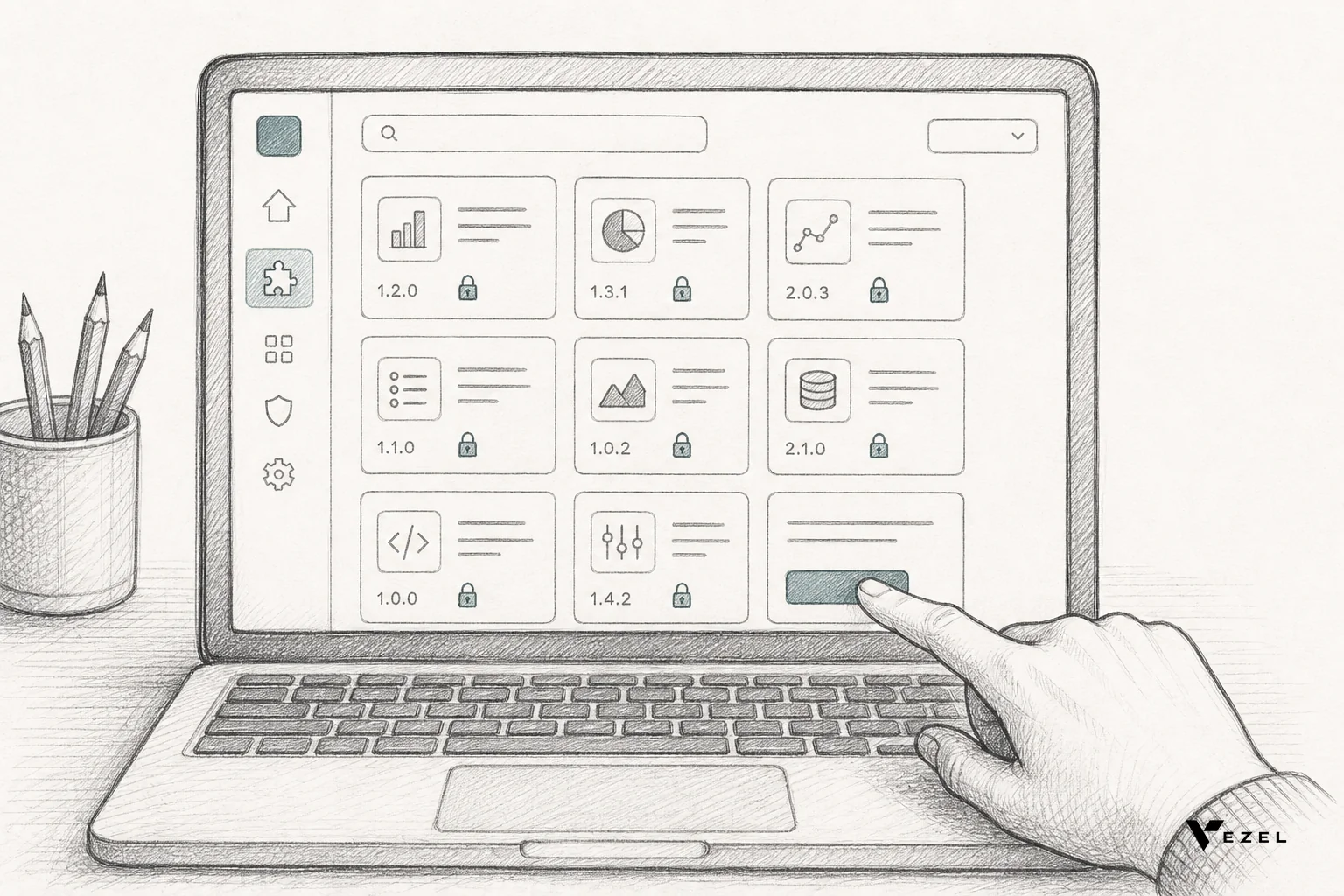
- Governance prevents shadow IT: A versioned, in-product marketplace for customer-built reports keeps everything visible instead of scattered across spreadsheets and BI exports.
At a Glance: Custom Reporting Options for Field Ops SaaS
| Approach | Typical Build Time | Engineering Load | Stays Connected to Live Data | Inherits Permissions Automatically |
|---|---|---|---|---|
| Manual spreadsheet export | Hours, repeated weekly | Low, but ongoing customer effort | No | No |
| BI tool export/integration | Weeks for setup | Medium to high | Sometimes | No, needs separate config |
| Custom engineering build | 3-8 weeks | High, ongoing maintenance | Yes | Manual replication needed |
| Internal tool builder (e.g., Retool) | Days to weeks | Medium, developer-dependent | Yes | Manual replication needed |
| Embedded AI extension (plain English) | Minutes to hours | Minimal, self-serve | Yes | Yes, native inheritance |
Why Field Ops Customers Keep Asking for Custom Reports
Every field ops customer runs a different operation, even when they buy the same platform. A plumbing and HVAC contractor tracks first-time fix rate. A facilities maintenance company tracks SLA compliance by contract. A utility crew dispatcher cares about drive time between jobs and crew utilization by region. None of these are wrong. They are just different businesses measuring different things.
This is the core challenge behind custom reporting for field ops SaaS platforms: the job data underneath is often similar (technicians, work orders, assets, contracts, locations), but the way each customer wants to slice it is not. A generic dashboard covering the most common metrics will satisfy maybe 60% of customers. The rest file a ticket.
Common requests we see across field ops platforms include:
- Crew utilization broken down by region or trade
- Job cycle time segmented by technician or crew lead
- SLA compliance reported against specific contract terms
- Parts and materials usage tied to job type
- First-time fix rate compared across service areas
None of these are exotic. They're the normal outcome of running a field service business with its own contracts, geography, and staffing model. The problem isn't that the requests are unreasonable. It's that a shared product can't build a bespoke report for every customer's KPI structure without drowning engineering in one-off work.
The Real Cost of the Engineering Ticket Cycle
Here's what the ticket cycle actually looks like in practice. A customer success manager logs the request. Product triages it against everything else in the backlog. Engineering scopes it, usually discovering the report touches three or four different data models: work orders, technicians, contracts, and assets. Then it waits its turn behind core roadmap work.
Weeks pass. Sometimes months. Meanwhile, the customer either gets frustrated waiting, exports data into a spreadsheet, or brings in a separate BI tool that isn't connected to live job data. Every one of those workarounds is a small vote of no confidence in the platform, and a small step toward the kind of shadow IT sprawl covered in how to prevent shadow IT in your SaaS platform.
For engineering leaders, the deeper cost is capacity. Custom reporting requests rarely stop at one. Once a field ops platform serves dozens of enterprise accounts, each with its own reporting quirks, the backlog for one-off report builds can quietly consume a large share of sprint capacity that should be going toward the core product. That's the same dynamic explored in how to reduce SaaS engineering backlog from enterprise requests.
For sales and customer success, the cost shows up differently. An enterprise prospect asks to see SLA reporting broken down by their contract structure during a sales cycle, and the honest answer is "we can build that after you sign." That answer stalls deals and puts renewals at risk when the promised report never quite makes it off the roadmap.
What Changes With Plain-English Reporting Inside the Product
The shift that matters here isn't a smarter chatbot bolted onto the reporting screen. It's giving customers a way to describe the report they need in plain English and get something that behaves like a real, connected feature, not a static export.
Instead of "add a field for contract SLA thresholds" going into a backlog, a customer describes what they want directly: "Show SLA compliance by contract, grouped by technician, for the last quarter." The system builds a live report against real job data, immediately, inside the product the customer already uses every day.
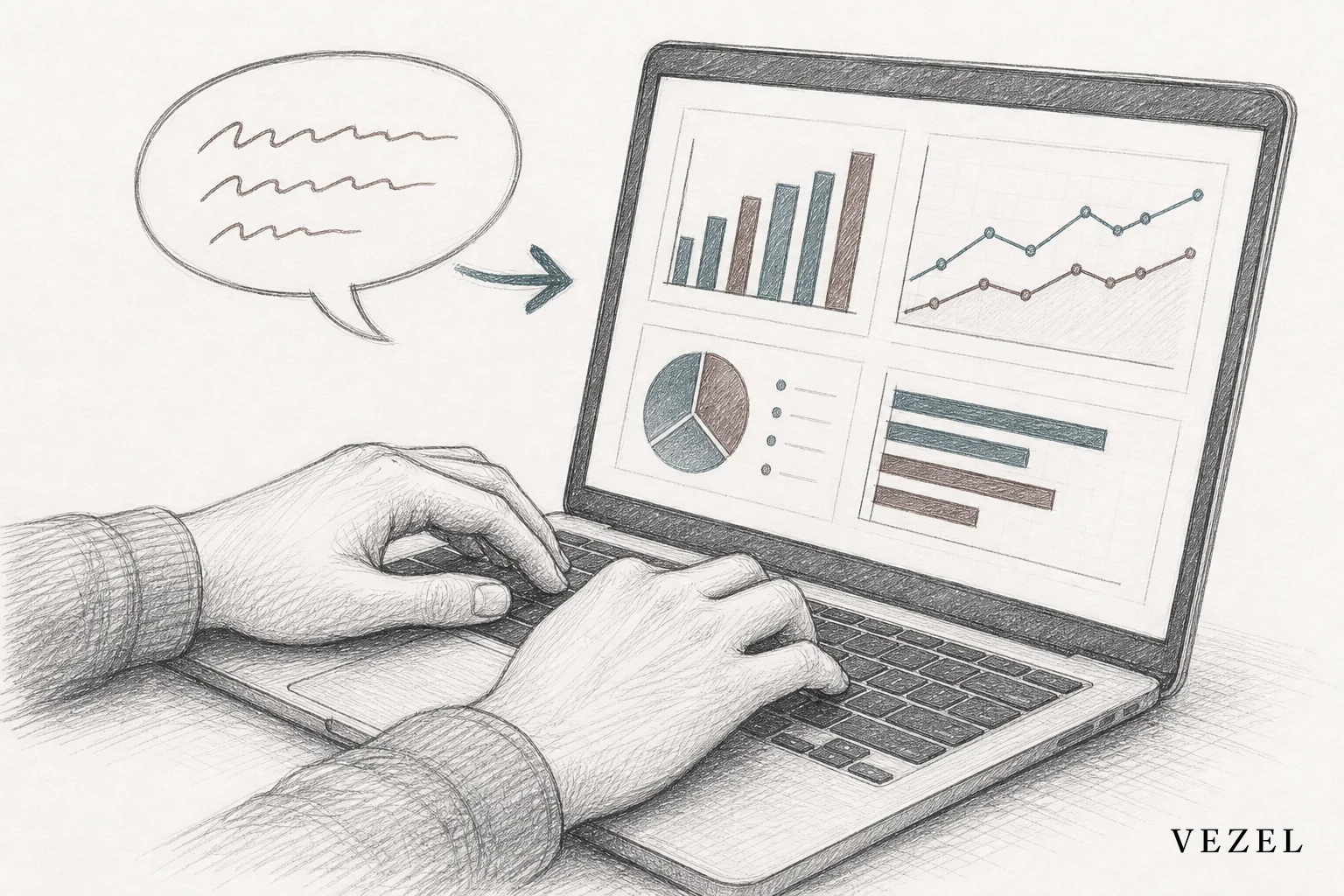
This matters for three reasons. First, the report stays connected to live data instead of freezing as a one-time export. Second, no separate BI license, data warehouse, or consultant is required. Third, and maybe most important for a field ops business, the person who understands the SLA terms best (the account manager, not an engineer) is the one building the report. Nobody has to translate business requirements into a ticket that loses nuance in the handoff.
This is the same underlying approach we cover in how to build custom dashboards inside your SaaS, applied specifically to the reporting layer that field ops teams rely on to prove SLA performance and crew efficiency.
How API Auto-Discovery and Inherited Permissions Make This Safe at Scale
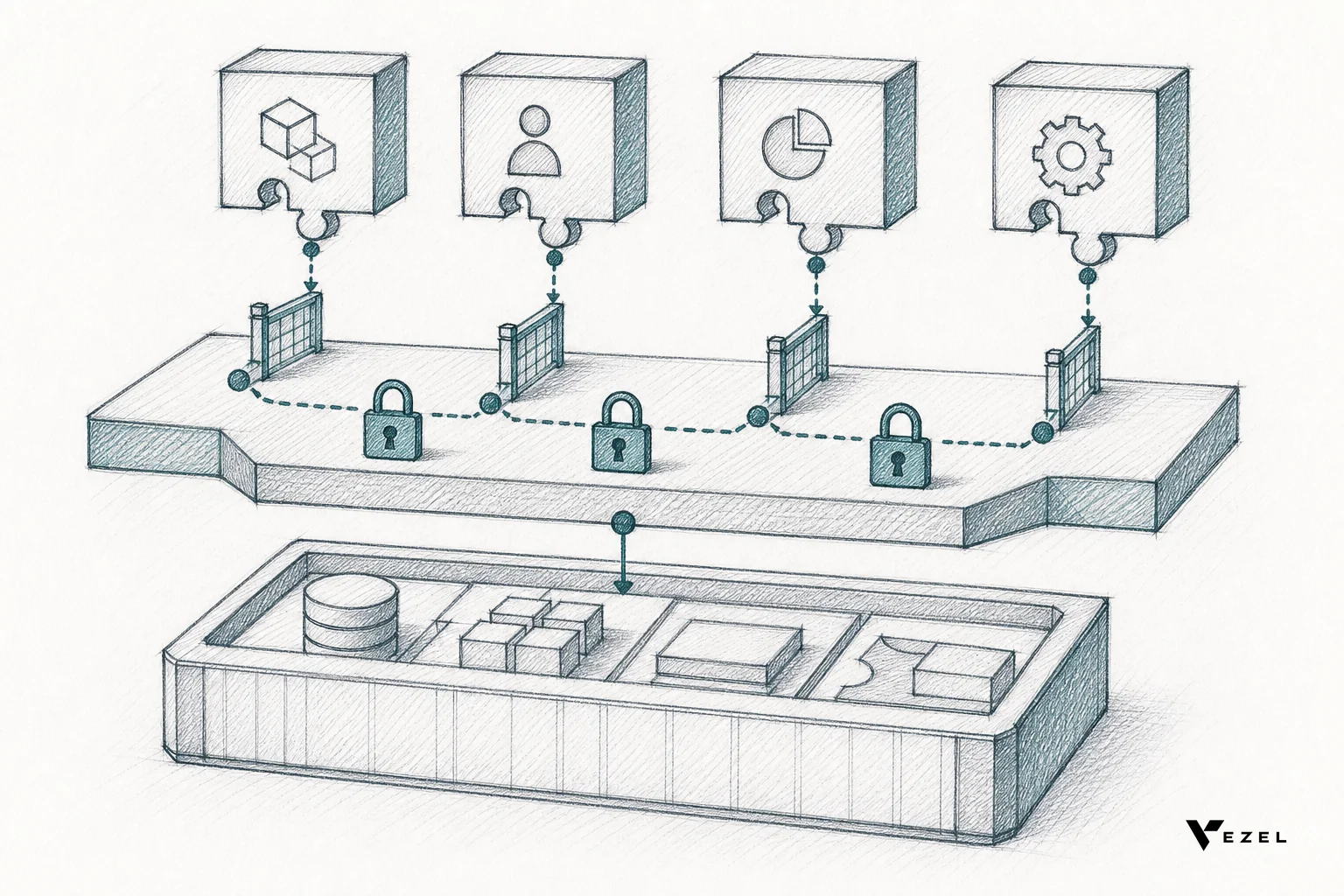
The hard part of self-serve reporting was never the natural language piece. It's connecting that request safely to real production data without an engineer manually wiring every new report to the underlying data model. API auto-discovery solves this by reading a platform's existing OpenAPI specification and mapping its job, crew, asset, and contract objects automatically. No new integration work, no separate data pipeline.
Permissions are the part that field ops platforms cannot afford to get wrong. A regional manager building their own SLA report should never accidentally see contract data from a region they don't manage. That's why reports need to inherit the requesting user's existing role, authentication, and row-level access instead of relying on a customer to configure a new permission set from scratch.
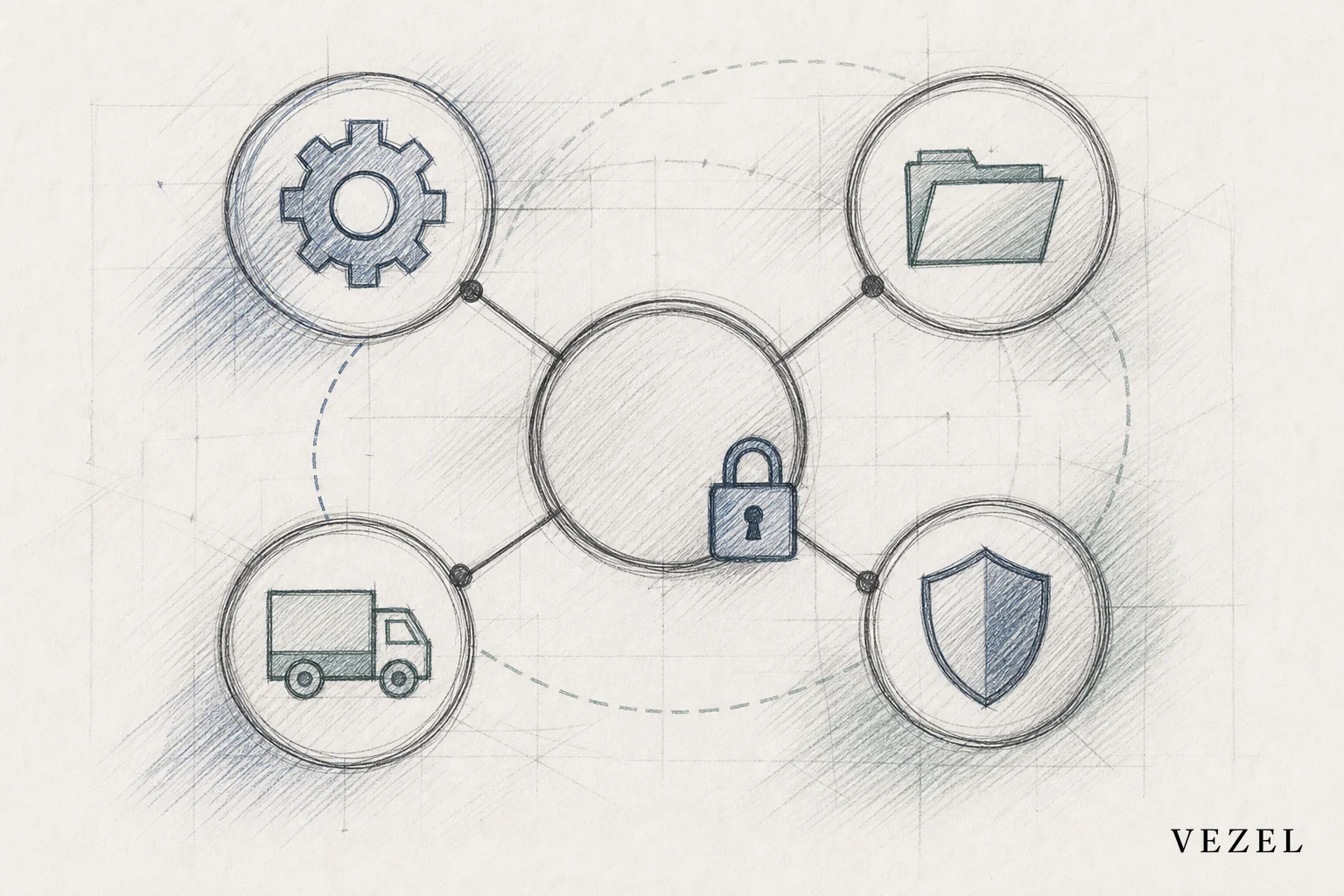
This is where an embedded extension approach differs from general-purpose no-code tools. Standalone builders like Glide or internal tools like Retool are excellent at what they do, but they weren't built to inherit a host platform's exact security model. Vezel's approach, and the reason it's purpose-built for this problem, is that generated reports inherit authentication, RBAC, and row-level permissions natively, and the output is white-labeled to feel like a native part of the host product rather than a separate tool bolted on the side. For a deeper comparison, see Glide vs embedded extensibility: what SaaS needs and Retool vs embedded extensibility for SaaS products.
A Field Ops Reporting Scenario Worth Solving Once
Consider a facilities maintenance SaaS platform serving a national retail chain as a customer. The retail chain's regional facilities director wants SLA compliance tracked by contract term and broken down by technician, because that's how their internal leadership reviews vendor performance.
Under the traditional path, this becomes a ticket. Product weighs it against other requests. If it's built at all, it might take two months, and it will likely be built as a one-off report specific to this one customer, adding a small piece of permanent maintenance burden to the codebase.
Under an adaptive path, the facilities director (or their account manager) types the request directly into the platform. Within minutes, a live report exists, pulling directly from real job and contract data, scoped to exactly the accounts and technicians that user is permitted to see. It's versioned and published through a governed marketplace, so the vendor's product team can see it was built, monitor its usage, and decide later whether it's popular enough to graduate into the core product. Nothing here is a workaround. It's a capability that exists because the request was handled at the moment it was made instead of six weeks later.
What This Means for Product, Engineering, and Sales Teams
Product leaders stop having to triage the same reporting requests every sprint review. When a customer can build their own report safely, most one-off asks never reach the backlog at all. That leaves the roadmap free for genuinely shared improvements that benefit every customer, not just one account.
Engineering teams get real capacity back. Instead of hand-coding a new SLA report for one facilities customer this month and a different crew utilization view for a utility customer next month, engineers build and maintain the platform that makes both possible without touching either report individually.
Sales and customer success teams get something arguably more valuable: the ability to show custom reporting live, during a sales cycle, instead of promising it on a future roadmap. That directly shortens the kind of enterprise sales stall covered in how to shorten your enterprise SaaS sales cycle, and reduces the churn risk tied to unmet reporting expectations, a pattern examined in is missing workflows causing your SaaS churn.
Getting Started: How to Roll Out Self-Serve Reporting in Your Field Ops Platform
Rolling this out doesn't require ripping out your existing reporting stack. A practical path looks like this:
- Audit the last twelve months of customer report requests and identify the recurring patterns (SLA compliance, crew utilization, cycle time) versus the truly one-off asks
- Connect an embedded extension layer to your existing APIs rather than standing up a parallel BI stack or data warehouse
- Set governance rules for who can publish reports, how they're versioned, and how product visibility into usage works
- Pilot with one or two enterprise accounts that have been the loudest about custom reporting, then expand once the permission model is validated
If you're comparing platforms to run this pilot on, how to choose an embedded extensibility platform walks through the evaluation criteria that matter most for field ops data models specifically. And if your business spans multiple verticals, it's worth reading how the same approach applies differently in workflow-heavy platforms and other adjacent verticals, since field ops reporting has its own data shape around crews, jobs, and contracts that differs meaningfully from supply chain or HR use cases.
According to the U.S. Bureau of Labor Statistics, field service and installation roles continue to grow as a share of the skilled labor market, which means the volume and variety of job data flowing through field ops platforms will only keep expanding. Platforms that can't adapt their reporting layer to match that growth will keep losing ground to the ticket queue. For a broader look at how this problem plays out in an adjacent vertical, see how supply chain SaaS can offer custom reporting, which covers the same architectural approach applied to logistics and freight data instead of crews and job sites.
The gap between the software every customer receives and the software each one actually needs isn't a product failure. It's the natural result of building for thousands of different field operations at once. The fix isn't more features. It's giving customers a safe way to build the report themselves.
Field ops SaaS platforms don't need to choose between a bloated roadmap and disappointed enterprise customers. Book a demo to see how Vezel connects to your existing job, crew, and contract data through API auto-discovery, inherits your permission model automatically, and lets your customers build the SLA, utilization, and cycle-time reports they've been filing tickets for. See how it works, or talk to an expert about piloting self-serve reporting with your most vocal enterprise accounts this quarter.